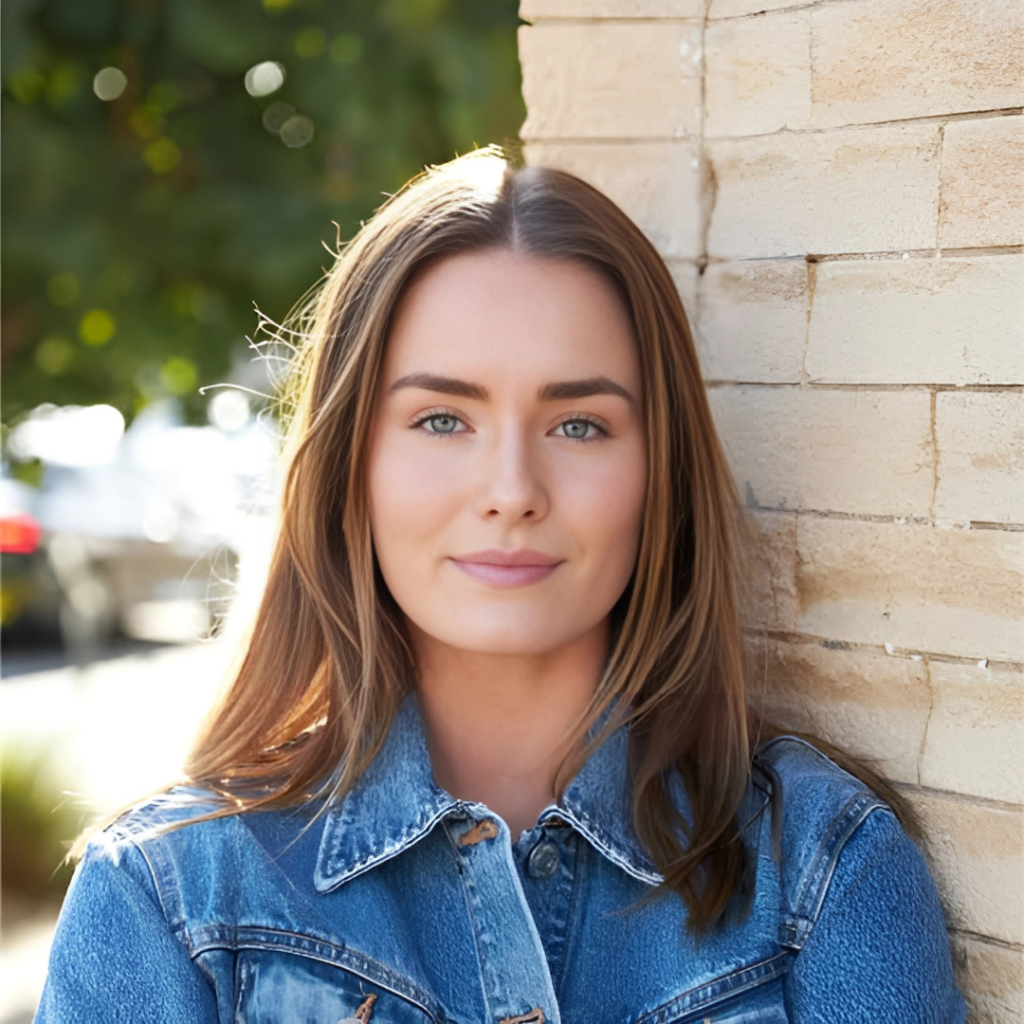
Noelle Schiller
Head of Operations @ Athlete to Athlete
“Noelle Schiller is the Head of Operations at Athlete to Athlete, where she leads Customer Success and oversees key operational strategies, including the development of the company’s customer platform. With a strong background as a former Division 1 athlete, she brings firsthand experience to her role, ensuring that young athletes receive the mentorship and guidance she knows can make a significant impact. Schiller is committed to creating meaningful connections that help the next generation of athletes grow both on and off the field.
Noelle Schiller extends her gratitude to those who have taken the time to learn about her journey and the work being done at Athlete to Athlete. She believes that opportunities for women in the sports industry are growing, but continued advocacy, mentorship, and representation are essential to driving further progress. She encourages young professionals to be confident, take initiative, and build strong networks that will support their careers. Schiller is passionate about helping athletes succeed beyond the game and looks forward to continuing to make a lasting impact in the industry.” – Zara Halabu
Please describe your role and responsibilities at that position?
At A2A, I lead Customer Success and work on many of our day to day operational tasks including strategy, the creation of our customer platform, and more.
What did you study in college and how did your educational background shape your career in the sports industry?
At UC Berkeley, I opted to study the intersection between public health and business. While my major may not have directly correlated to my current career in the sports industry, I strongly believe that my experience as a Division 1 Athlete in collaboration with my business education positioned me well for my current role.
Can you share the key milestones in your career that led you to your current position in the sports industry?
I grew up competing in a variety of sports, including basketball, dance, volleyball, and track and field. My journey led me to compete in Division 1 Track and Field at UC Berkeley, where I specialized in long jump. I joined Athlete to Athlete because I know firsthand how valuable mentorship would have been during my time as a youth athlete. I wanted to contribute to something that makes a real difference in the lives of the next generation of athletes.
What are some of the biggest challenges you’ve faced as a woman in the sports business, and how have you overcome them?
One of the biggest challenges I’ve faced as a woman in sports business is breaking through traditionally male-dominated spaces and earning the same level of credibility and respect.I’ve overcome this by focusing on what I can control—being exceptionally prepared, delivering results, and building strong relationships. I’ve also leaned into mentorship and networking, surrounding myself with other women and allies who support and advocate for each other. Over time, I’ve learned to own my voice, confidently assert my value, and challenge outdated perceptions. While the landscape is shifting, representation still matters, and I’m committed to paving the way for more women to lead in this space.
Balancing a career is demanding. How do you manage a work -life balance? What strategies have worked well for you?
Balancing a demanding career with personal life is definitely a challenge, but I’ve learned that setting clear boundaries and being intentional with my time makes a huge difference.
One of the biggest strategies that has worked for me is prioritization—I focus on what truly moves the needle at work and avoid getting caught up in tasks that don’t add real value. I also schedule personal time just as I would a work meeting, whether that’s for exercise, time with family and friends, or just unplugging to recharge.
Another key strategy is delegation and trust. I’ve learned that I don’t have to do everything myself, and empowering my team not only helps with workload but also builds a stronger work culture. Lastly, I make sure to check in with myself regularly—if I feel off balance, I reassess and adjust. Balance isn’t a perfect equation, but staying adaptable and intentional helps me sustain both productivity and personal well-being.
How important is mentorship for women in the sports industry? Have you had mentors or role models who played a significant role in your career and can give some details?
Mentorship is incredibly important for women in the sports industry because it provides guidance, support, and access to opportunities in a space that has traditionally been male-dominated. Having mentors—both women and men—who advocate for you, share their experiences, and help you navigate challenges can make all the difference in advancing your career.
I’ve been fortunate to have mentors who have played a significant role in my journey. Some have been women in leadership positions who showed me that success in this industry is possible and gave me the confidence to own my voice. Others have been allies who opened doors, provided opportunities, and pushed me to take on bigger challenges.
One of the most impactful mentors I had was someone who encouraged me to trust my instincts and take on leadership roles before I felt “ready.” Their belief in me helped me step into opportunities that ultimately shaped my career.
In a male-dominated industry, do you feel women are given equal opportunities? What steps do you think can be taken to promote gender equality in the sports industry?
Opportunities for women in the sports industry have certainly improved over time, but challenges still exist. While progress has been made, there are still gaps in representation, leadership roles, and access to the same resources and networks.
Promoting gender equality requires a collective effort—organizations need to be intentional about hiring and advancing women, industry leaders should advocate for equal opportunities, and mentorship programs can help bridge the gap. Creating a culture that values diverse perspectives and ensures access to the same resources and networks will lead to a more inclusive and equitable sports industry.
What aspects of your work in the sports industry do you enjoy the most? What parts do you find the most challenging?
One of the most rewarding aspects of my work in the sports industry is the opportunity to make a real impact—whether it’s helping athletes grow, creating meaningful mentorship connections, or building something that positively influences the next generation. Seeing the direct results of that work, especially when it helps young athletes develop both on and off the field, is incredibly fulfilling. I also enjoy the fast-paced, dynamic nature of the industry—no two days are the same, and there’s always something new to tackle.
The biggest challenges often come from navigating the business side of sports, especially in a constantly evolving landscape. Balancing the needs of different stakeholders—athletes, parents, organizations—while ensuring long-term growth and sustainability can be complex. Additionally, as with many industries, breaking through traditional structures and pushing for innovation or change can take time. However, those challenges also present opportunities to find creative solutions and drive meaningful progress.
What advice do you have for young women aspiring to build a successful career in the sports industry?
My advice for young women looking to build a career in the sports industry is to be confident, stay proactive, and keep pushing forward. It’s a competitive field, but if you believe in your value, keep learning, and take advantage of opportunities, you’ll set yourself up for success.
Networking is huge—connect with mentors, peers, and industry professionals who can offer guidance and open doors. Don’t be afraid to speak up, take on leadership roles, and challenge the status quo when needed.
Most importantly, stay adaptable. The sports industry is always evolving, so keep learning, stay open to new opportunities, and trust that your hard work will pay off.
Any fun facts or interesting things you’d like the world to learn about you? Favorite food, hobbies, pet peeves, etc.?
My favorite food is Thai. I have a dog named Moose, and I keep my competitive hunger satiated by playing in a beach volleyball league!
 Women in Sports Business